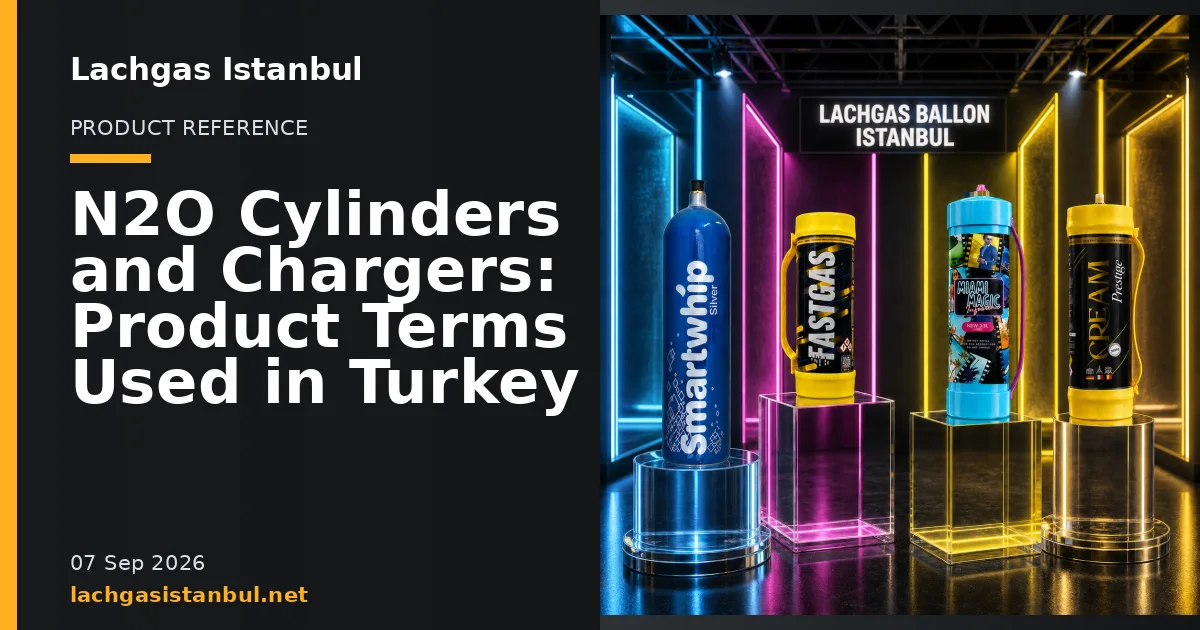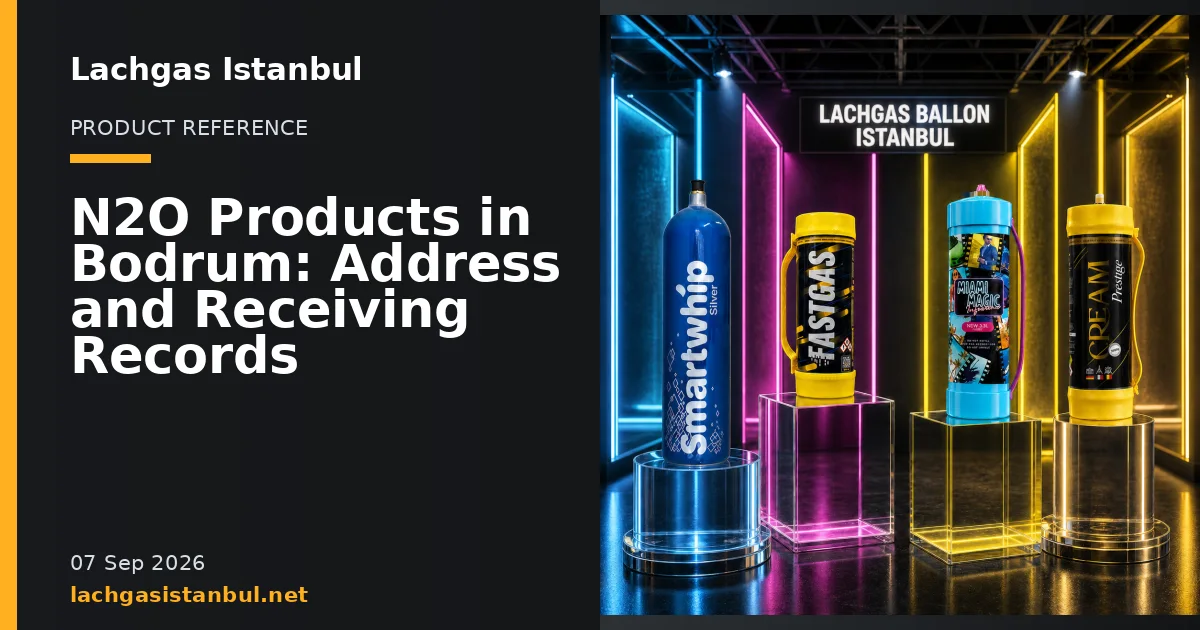
Capacity is one factor, not the whole call. Start with the volume of preparation your team expects, then check the equipment the manufacturer requires for that product.
A bigger listed capacity may fit a busier workflow. It can also demand a particular compatible setup and a plan for where it is stored. Do not pick on size alone.
Use the filters to compare what is on the list right now. Send the product and the details of your current equipment, and we will check compatibility and what is available before you buy.
One practical method is to compare three service profiles. Write down a quiet shift, a typical shift and the busiest planned shift. For each, estimate how many preparations are expected and how often the team can safely pause. This shows whether the main concern is compact handling, predictable continuity or support for a temporary event peak.
Do not separate capacity from the equipment chain. Record the manufacturer and model of the regulator, connector and siphon already present. Check current instructions for the exact listed product. A fitting that seems close or a name that sounds familiar does not establish compatibility, and changing capacity can mean changing approved equipment.
The room also has a vote in the decision. Check secure storage, manufacturer temperature and ventilation requirements, movement between receiving and the bench, and access by authorised staff only. If the unit cannot be stored and handled exactly as instructed, its advertised capacity is irrelevant to the workplace.
Use a short decision table with five rows: workload, compatible setup, storage, trained operator and current availability. Score each candidate against the same facts and keep the note with the purchasing record. This is more reliable than choosing by headline size, and it gives the team a reasoned basis for changing capacity when operations change.